
Form Shadow vs Cast Shadow: What's the Difference?
Form shadow is the shadow on the object; cast shadow is the shadow it throws. Learn how they differ in edges, value and shape, with simple drawing examples.
By Ayoub Farid · · 2 min read
Two kinds of shadow appear in almost every drawing, and beginners often mix them up. Knowing the difference helps you shade both correctly.
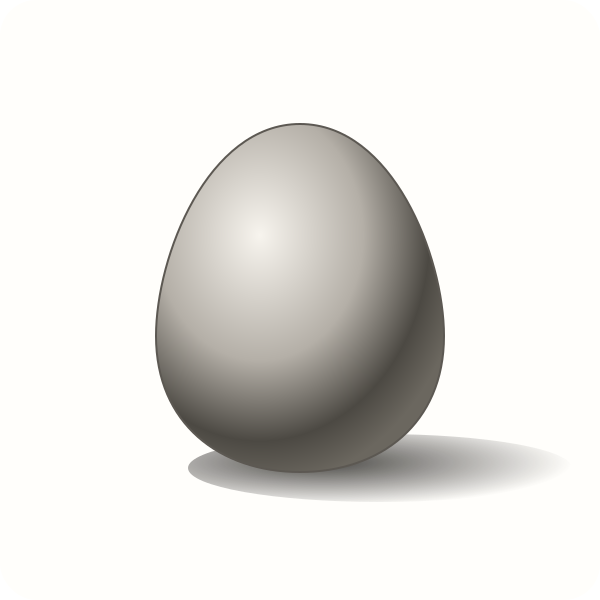
Form shadow
The shadow on the object itself, on the side facing away from the light.
- Created by the object's own shape turning away from the light
- On curved forms, it has a soft edge (the terminator)
- Contains the core shadow and reflected light
Cast shadow
The shadow the object throws onto another surface.
- Created by the object blocking light
- Its shape depends on the object, the light and the surface
- Usually darkest and sharpest where the object touches the surface, softer and lighter further away
Side by side
| Form shadow | Cast shadow | |
|---|---|---|
| Where | On the object | On the table/other objects |
| Edge | Soft on round forms | Sharp near contact, softer away |
| Darkest part | Core shadow | Contact point |
| Has reflected light | Yes | Less, sometimes |
Why it matters
- Cast shadows anchor objects. Without them, things float.
- Form shadows give volume. Without them, things look flat.
- Mixing them up (e.g. a cast shadow with a soft, blended edge right at the contact point) confuses the eye.
Practice
Draw an egg under one lamp. Shade the form shadow first, then the cast shadow. Check: is the darkest dark of the drawing right under the egg? Is the line between light and shadow on the egg soft?
A quick check for your drawings
When you finish a drawing, point at each shadow and name it: form shadow or cast shadow? Then check its edges. A form shadow on a round object should have a soft edge; a cast shadow should be crisp near the object and softer further away. If a shadow has the wrong kind of edge, fix it with a blending stump or a sharper pencil. This one habit makes drawings feel much more solid.
Frequently asked questions
Which is darker, form shadow or cast shadow?
The cast shadow near the contact point is usually darkest. Further away, it can be lighter than the core shadow.
Do cast shadows have reflected light?
They can be slightly lighter at the far end, but they don't have the same reflected-light band as round form shadows.
Can an object cast a shadow on itself?
Yes: a mug's handle or an eyelid can cast shadows on the object's own surface. Graphite's eye lessons include the shadow the upper lid casts on the iris.
Related: cast shadow, core shadow.