How to Draw Straight Lines Freehand (5 Drills That Work)
Learn to draw straight lines freehand with confident, smooth strokes. Five simple drills, the ghosting technique, and the mistakes that cause wobbly lines.
By Ayoub Farid · · 2 min read
Wobbly lines are one of the first things that make beginners think they "can't draw". The fix isn't a steadier hand. It's a different way of moving.
Why lines wobble
- You draw slowly, correcting as you go.
- You move only your fingers or wrist.
- You stare at the pencil tip instead of where the line is going.
Confident lines come from a quick, planned motion from the elbow or shoulder.
The ghosting technique
- Mark a start dot and an end dot.
- Hover the pencil just above the paper and rehearse the motion between them two or three times ("ghosting").
- Look at the end dot, not the pencil.
- Lower the pencil and draw in one smooth, fairly quick stroke.
5 drills
1. Dot to dot
Scatter dots on a page and connect pairs with single strokes. Vary length and direction.
2. Parallel lines
Fill a box with horizontal lines, evenly spaced. Then vertical, then diagonal. This is also the base of hatching.
3. Long lines across the page
Draw lines edge to edge. Rotate the paper so you always pull in your most comfortable direction.
4. Light then dark
Draw a line very lightly, then go over it once with a darker, confident stroke.
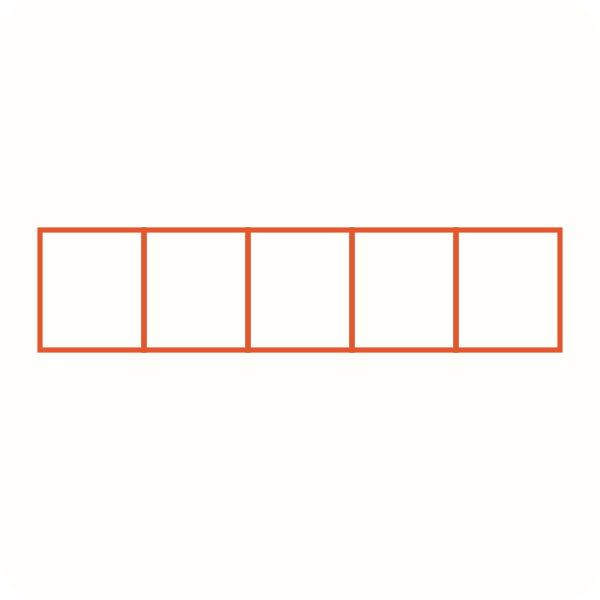
5. Five boxes
Draw a row of five boxes, each the size of a stamp, touching each other. It's the first step of Graphite's value scale lesson, and it trains straight lines and even spacing at the same time.
Rules of thumb
- Rotate the paper, not your arm.
- Draw lightly at first; slightly wobbly light lines can be corrected.
- A ruler is fine for exercises where the goal is something else (like a value scale).
Practice on screen too
Graphite's warm-up drills include Straight lines: draw with your finger or a stylus and get a score on your device in seconds, a good two-minute warm-up before you pick up a pencil. More warm-ups in drawing warm-up exercises.
Confident lines come from repetition, so keep these drills short and do them often.
Frequently asked questions
How long does it take to draw straight lines freehand?
With a few minutes of drills daily, most people see clearly smoother lines within one to two weeks.
Should I use a ruler?
For learning control, no. For exercises focused on shading, construction or perspective, rulers are fine.
Why do my lines curve at the end?
Your arm pivots at the elbow. Move your shoulder slightly too, or draw shorter lines and connect them.