
How to Draw Textures in Pencil: Skin, Wood, Metal, Glass and Fruit
Draw convincing textures with pencil: build the form first, then add texture with dots, lines and lifted highlights for fruit, wood, metal, glass and fabric.
By Ayoub Farid · · 2 min read
Texture tells the viewer what something is made of: the bumpy skin of an orange, the grain of wood, the shine of metal. But texture is the last step. Texture on a flat, badly lit form never looks real.
The golden rule: form first
- Draw the shape.
- Shade it with correct light and shadow.
- Only then, add texture, mostly in the half-tones (texture shows most where light grazes the surface and disappears in highlights and deep shadows).
Common textures
Fruit skin (orange, lemon)
Smooth shaded form + tiny dots or small circles near the highlight and in the mid-tones. Graphite's orange tip: "Tiny dots near the highlight suggest the bumpy skin." Less is more.
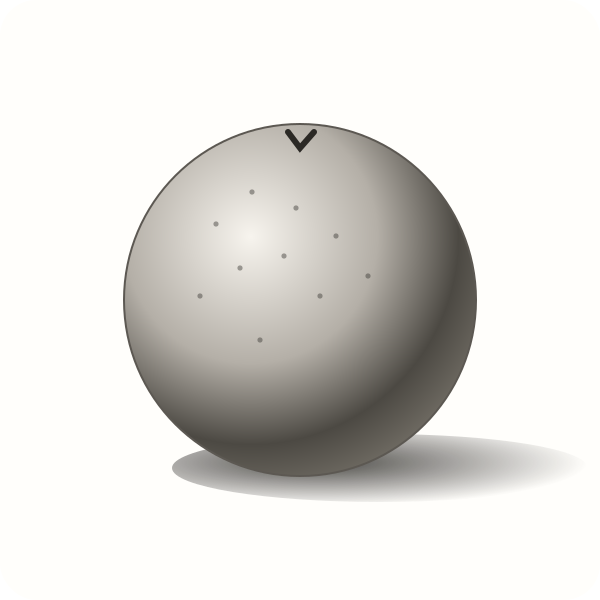
Apple skin
Smooth, with a sharp highlight and a few small speckles. Optional faint vertical streaks following the form.
Wood
Long, wavy lines following the grain, darker in shadow, with occasional knots. Hatch along the grain direction.
Metal and chrome
High contrast: sharp, bright highlights next to very dark reflections, with hard edges.
Glass
Mostly the background seen through it, plus sharp highlights and dark edges. (How to draw a glass)
Fabric
Soft folds with gradual shading; the weave shows only up close. Focus on folds first.
Stone
Uneven form, stippling and small dark cracks. (How to draw rocks)
Techniques for texture
| Technique | Texture |
|---|---|
| Stippling | Pores, peel, stone, sand |
| Hatching along a direction | Wood grain, hair, grass |
| Lifting with a kneaded eraser | Shiny spots, sparkles |
| Indenting the paper (embossing with a blunt tool) | Fine white hairs, lines |
| Smudging | Soft fabric, mist |
Texture practice sheet
Divide a page into six squares and draw a different texture in each: smooth fruit skin, orange peel, wood grain, rough stone, shiny metal and soft fabric. For each square, first shade a simple gradient as if it were a curved surface, then add the texture on top. Comparing them side by side shows how texture always sits on top of form, never instead of it.
Frequently asked questions
How much texture should I add?
Less than you think. Suggest texture in a few areas and let the viewer's eye fill in the rest.
Why do my textures look flat?
The underlying form isn't shaded correctly, or the texture is the same everywhere. Texture should fade in the highlight and shadow.
What is "indenting" in pencil drawing?
Pressing lines into the paper with a blunt tool before shading. The pencil skips the grooves, leaving fine white lines, great for whiskers and hairs.